
Commercial construction can become complicated fast. Owners have to manage budget, schedule, permits, financing, materials, subcontractors, inspections, site conditions, code requirements, and long-term building performance. When design and construction are handled by separate teams, small gaps in communication can turn into delays, cost increases, and avoidable field problems.
That is why many owners consider commercial design-build services before starting a new facility, expansion, renovation, or tenant improvement.
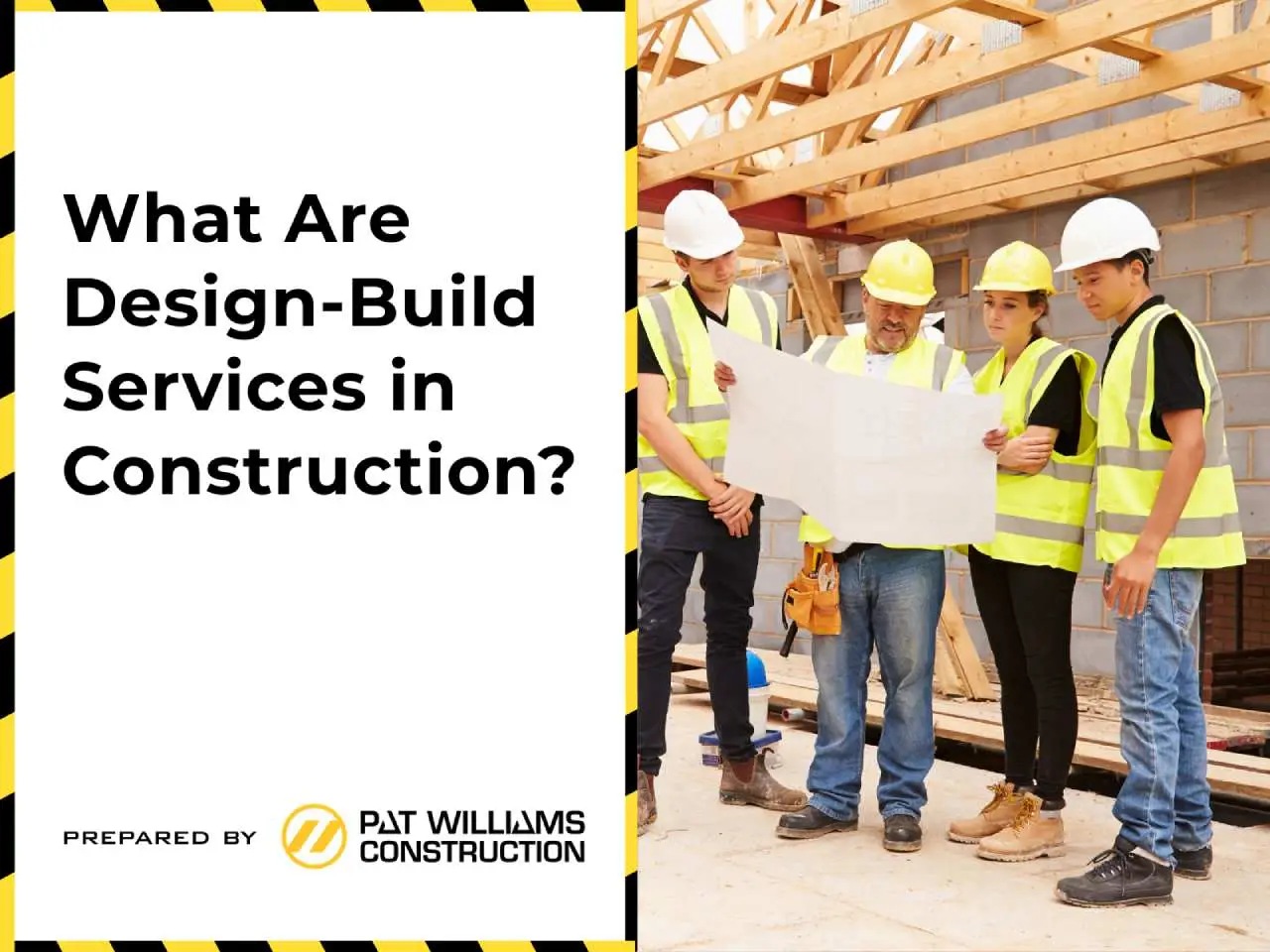
Design-build is a project delivery method where one team is responsible for both design and construction. Instead of hiring an architect first, completing the drawings, sending the project out for bids, and then bringing in a contractor, the owner works with one design-build team from early planning through final completion.
The Design-Build Institute of America defines design-build as one contract between the owner and the design-build team for both design and construction.
The Federal Highway Administration explains that design-build combines design and construction into one contract and can help accelerate project delivery.
FHWA’s design-build effectiveness study found an average 14% reduction in project duration and nearly 3% reduction in project cost across studied design-build projects.
For commercial owners in Louisiana, this matters because construction decisions affect more than the building itself. A project can influence operations, leasing, staffing, customer access, financing plans, opening dates, and long-term maintenance costs. Design-build helps connect those business needs with the design and construction process earlier.
What Are Commercial Design-Build Services?
Commercial design-build services bring the designer, builder, estimator, project manager, and construction team into one coordinated process. The owner does not have to manage separate contracts between the architect and contractor. One team is responsible for turning the owner’s goals into a buildable, budget-conscious project.
This does not mean the owner loses control. A good design-build process still includes owner input, design review, budget discussions, schedule planning, quality control, clear approvals, construction oversight, and final closeout.
The difference is that the team giving design advice is also responsible for building the project. That creates a more practical conversation from the start.
If the owner wants a certain layout, exterior material, roof system, structural approach, HVAC system, or interior finish, the design-build team can explain how that choice affects cost, schedule, durability, maintenance, and construction complexity.
For a commercial project, early coordination has real value. A building is not only a set of drawings. It has to support employees, customers, tenants, operations, utilities, parking, equipment, security, maintenance, and future growth.
Why Design-Build Is Easier to Manage
The main advantage of design-build is simple: fewer disconnected conversations.
In a traditional process, the designer and builder may be hired separately. If cost, schedule, or construction issues appear later, the owner may have to manage back-and-forth between both sides. With design-build, the owner works with one accountable team.
That does not remove every risk, but it makes communication clearer. The same team that helps shape the design also understands what it will take to build it.
| Owner Concern | How Design-Build Helps |
| Budget control | Cost feedback starts earlier, before plans are locked |
| Schedule pressure | Planning, design, and procurement can overlap |
| Change orders | Buildability is reviewed before construction |
| Communication | One team manages design and construction |
| Accountability | One team is responsible for the full process |
| Procurement | Long-lead items can be identified earlier |
For owners who want a practical process, this structure is easier to follow. It gives them fewer handoffs, fewer gaps, and a clearer path from planning to construction.
How the Commercial Design-Build Process Works
1. Preconstruction and Planning
The design-build process starts with preconstruction. This is where the team studies the project before major money is committed to final design or construction.
Preconstruction may include site review, feasibility studies, early budgeting, schedule planning, permit review, utility coordination, code research, phasing plans, procurement planning, and risk identification.
For Louisiana commercial projects, this phase is important because requirements can vary by city, parish, building type, and use. A medical office, school addition, restaurant, municipal building, warehouse, and financial facility all have different planning needs.
Preconstruction gives the owner practical answers to important questions: Can this project be built on this site? Is the budget realistic? What could delay construction? Which items may take longer to order? What decisions must be made early? What should be adjusted before drawings are final?
This early planning stage is where many expensive problems can be prevented. The team can test the budget, review the schedule, identify approval needs, and flag construction issues before the owner is locked into a finished design.
2. Collaborative Design
Once the project goals are clear, the design team and construction team begin working together. Architects, engineers, estimators, and project managers review design options based on cost, schedule, buildability, maintenance, and long-term use.
This is where design-build can protect the owner from one of the most common construction problems: drawings that exceed the budget.
In some projects, plans are finished before the contractor provides real pricing. If the price is too high, the owner may have to cut scope or restart part of the design process. That wastes time and can weaken the original plan.
In design-build, budget feedback happens while design is still developing. If a material, structural system, roof assembly, mechanical system, or interior layout creates cost pressure, the team can discuss alternatives before the plans are complete.
The goal is not to make the building cheap. The goal is to make the design realistic, durable, efficient, and aligned with the owner’s capital plan.
3. Budgeting and Procurement
Commercial construction depends heavily on timing. Some materials and systems need to be selected and ordered early. Electrical gear, HVAC units, generators, steel, elevators, fire protection systems, specialty doors, kitchen equipment, medical equipment, and custom finishes can all affect the schedule if they are handled too late.
Design-build helps because procurement planning can begin before every final detail is complete. The team can identify critical items, review availability, and avoid late surprises.
Budgeting also becomes more active. Instead of waiting for one large pricing event, the owner receives cost feedback throughout the process. This allows better decisions before construction begins.
For owners, this can protect financing plans, tenant commitments, opening dates, staff planning, equipment installation, and operational deadlines.
4. Construction
When construction starts, the design-build team already knows the project. The builder has been involved in planning, budgeting, design review, and procurement. That makes the move from drawings to field work smoother.
The construction team understands the owner’s priorities. The design team understands the field conditions. If questions arise, the same coordinated team can respond faster.
This does not mean construction becomes risk-free. Projects can still be affected by inspections, owner changes, supply disruptions, unknown site conditions, utility delays, code comments, subcontractor availability, and approval timelines. But design-build can reduce avoidable problems caused by poor coordination between design and construction.
For owners, that often means fewer delays, clearer communication, and better control over the project.
5. Closeout and Handover
A commercial project is not complete just because the building looks finished. The owner still needs inspections, punch list completion, system testing, warranty documents, operation manuals, maintenance guidance, and final turnover.
Closeout should be planned early. HVAC systems, fire protection, access control, lighting, plumbing, electrical systems, security systems, and specialized equipment must be tested and documented. Staff may need training. The owner needs to understand what was installed, how it works, and what maintenance is required.
A well-managed handover helps the building move from construction mode to daily operation with fewer disruptions.
Financial Benefits
The biggest financial benefit of design-build is early cost visibility. Owners can see how decisions affect the budget while there is still time to adjust.
This matters because commercial projects are often tied to financing, public funding, lease commitments, business openings, internal deadlines, tenant schedules, revenue targets, school calendars, and operational needs. A late budget surprise can delay the entire plan.
With design-build, the owner can weigh options earlier. A higher-cost material may be worth it if it reduces maintenance. A lower-cost system may be acceptable if it does not hurt performance. A design change may save money without reducing the building’s function.
A Guaranteed Maximum Price, or GMP, can also help give the owner a defined cost ceiling based on a specific scope of work. A GMP does not cover every possible change. Owner-requested upgrades, hidden conditions, major scope changes, or unusual market shifts can still affect cost. But it gives the owner a stronger financial framework.
In design-build, the team can often develop the GMP with better knowledge of the design, site, schedule, procurement needs, and construction risks. That makes the number more useful for planning.
Design-build can also reduce avoidable change orders. Some change orders are legitimate. Existing building conditions, code comments, owner-requested changes, or unforeseen site issues can all lead to adjustments. But many change orders come from poor coordination. Design-build helps reduce that risk because the construction team reviews the project before field work begins.
Structural conflicts, material problems, access issues, sequencing concerns, and system coordination can often be solved on paper. Solving them later, after crews and materials are already on site, is usually more expensive.
Design-build can also shorten the project timeline because some phases can overlap. Site work, early procurement, and certain construction activities may begin while final design details are still being completed.
For commercial owners, time has financial value. A delayed project can mean lost rent, higher interest carry, delayed business openings, staff disruption, tenant penalties, missed funding deadlines, longer temporary facility costs, or lost revenue.
Operational Benefits
Cost is important, but it is not the only reason owners choose design-build.
The method also improves communication. Instead of managing several separate parties, the owner works with one coordinated team. That reduces confusion and makes it easier to get clear answers.
Design-build also improves practical decision-making. The owner can compare design choices based on cost, durability, maintenance, schedule, long-term building use, energy performance, replacement needs, staff workflow, and customer or public access.
For example, a commercial owner may need to choose between two flooring systems, two exterior wall systems, or two HVAC options. The cheaper choice may not be the better choice if it increases maintenance costs or shortens service life. The more expensive choice may be worth it if it improves durability or reduces operating problems.
Design-build makes those discussions part of the planning process, not a late reaction during construction.
When Design-Build Makes the Most Sense
Design-build is often a strong fit when the owner wants:
- One accountable project team
- Faster project delivery
- Earlier budget control
- Better coordination between design and construction
- Fewer avoidable change orders
- Early procurement planning
- Strong preconstruction support
- Practical buildability review before field work begins
It can work well for offices, schools, churches, municipal buildings, healthcare facilities, financial buildings, warehouses, industrial facilities, restaurants, retail spaces, renovations, additions, and tenant improvements.
Design-build is especially useful when the owner has a fixed deadline, a defined budget, or a project that needs close coordination between building design and daily operations.
The method should match the project. Some projects require a different structure, especially when funding rules, internal approval systems, or owner preferences point to another delivery method. But when speed, cost discipline, and accountability matter, design-build is often worth serious consideration.
What Owners Should Clarify Before Choosing Design-Build
Before choosing a design-build partner, owners should make sure the process is clear from the start. The delivery method works best when expectations, budget limits, decision authority, and communication channels are established early.
Owners should clarify:
- Who will lead design, estimating, and construction coordination
- How budget updates will be shared during design
- When key cost decisions must be made
- What is included in the project scope
- How long-lead materials will be handled
- How change requests will be priced and approved
- What the closeout and handover process will include
- How the team will manage permits, inspections, and owner approvals
These questions help protect the owner from confusion later. They also help the design-build team make better recommendations during planning, pricing, and construction.
Final Takeaway
Commercial design-build services give owners a more direct way to plan and complete construction projects. By bringing design and construction under one contract, the process can improve accountability, reduce disputes, control costs earlier, and move the project forward with fewer communication gaps.
For commercial owners, the main value is risk reduction. The earlier the team identifies cost, schedule, site, design, procurement, approval, and buildability issues, the easier it is to prevent them from becoming expensive field problems.
Design-build is not only about speed. It is about making better decisions earlier. It gives owners a clearer connection between what they want to build, what the project will cost, how long it may take, and what risks need to be managed before construction begins.
Planning a Commercial Project in Louisiana?
Pat Williams Construction has served Louisiana since 1978 and provides design-build, preconstruction, general contracting, and CMAR services across commercial, educational, medical, municipal, financial, faith-based, federal, and historical projects. The company lists Pat Williams as CEO and Jason Williams as President, with offices in Lake Charles and Leesville.
If you are planning a commercial construction project in Louisiana, Pat Williams Construction can help you evaluate whether design-build is the right fit for your budget, schedule, and building goals.
Contact Pat Williams Construction to discuss your next project with a team that understands how to plan, build, and deliver commercial work across Louisiana.
HOURS: 7.00 AM – 5.00 PM
LAKE CHARLES
LEESVILLE