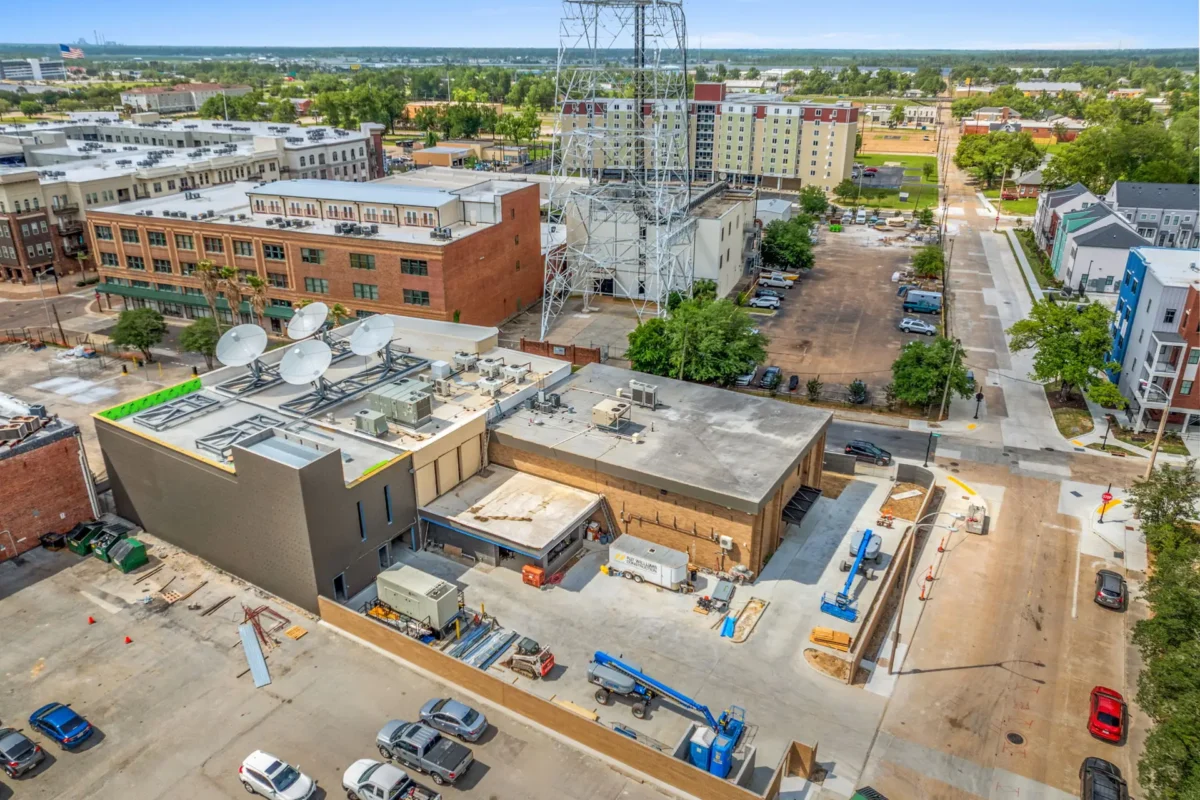
Successfully launching a commercial project in Louisiana, whether it’s a high-rise in New Orleans, a medical facility in Baton Rouge, or a retail build-out in Shreveport, depends heavily on navigating a fragmented, multi-jurisdictional permitting structure. Unlike states that rely on a uniform statewide codebook, Louisiana places substantial regulatory power at the parish and municipal levels.
This decentralization means that a workflow accepted in Jefferson Parish may require adjustments when applied in Ouachita Parish. Variations appear in zoning classifications, flood hazard requirements, submission formats, and even the number of review cycles required before issuance.
Governing Codes (State-Level Baseline)
Louisiana enforces statewide versions of:
International Building Code (IBC) – governing structural, accessibility, and life-safety requirements.
International Residential Code (IRC) – applies to mixed-use or attached residential components.
International Fire Code (IFC) – outlining fire protection and egress requirements, with authority delegated in part to the Louisiana Office of State Fire Marshal (OSFM).
IECC (Energy Code) – defining energy-efficiency requirements for commercial envelopes and MEP systems.
However, parishes frequently adopt local amendments that may modify allowable materials, design loads, signage restrictions, stormwater requirements, or mechanical standards.
Phase I: Pre-Design and Due Diligence (The Code Check)
This phase determines whether the project is viable from a zoning, environmental, and utilities standpoint. Completing due diligence before schematic design reduces redesign fees, reviewer comments, and costly schedule disruptions.
Zoning Verification
The first and most critical step is confirming that the proposed use aligns with the parcel’s zoning classification. Example categories include:
C-1, C-2, C-3 – various levels of commercial intensity
M-1, M-2 – light and heavy industrial
MX, MU – mixed-use districts
Reviewers will check compliance with:
Setbacks
Height limits
Parking minimums
Landscaping and screening requirements
Signage restrictions
Actionable Insight:
Check for Overlay Districts (historic, design review, flood hazard, or airport influence zones). These often introduce extra steps such as architectural review boards or stricter façade guidelines.
Flood Zone Analysis
Flood considerations are more critical in Louisiana than in most states. Every commercial project must determine:
FEMA Flood Zone designation (e.g., A, AE, V, X)
Base Flood Elevation (BFE)
Required building elevation relative to BFE
Mandatory drainage and stormwater retention measures
These factors affect foundation design, materials selection, and insurance availability. Miscalculating BFE can delay both permitting and financing.
Utility Assessment
Developers should confirm the availability and load capacity for:
Water supply
Sewer connection and flow availability
Natural gas
Electrical service (including three-phase power for industrial users)
Rapid-growth regions outside Louisiana’s major metros often require developers to contribute toward utility extensions or capacity upgrades, an expense that must be incorporated early.
3. Phase II: Documentation and Submittal Requirements (Permit Package)
Parish offices prioritize complete and well-organized submittals. Missing drawings or incorrect forms typically result in immediate rejection or place the application at the back of the queue.
Permitting Tiers
Documentation requirements vary based on:
New construction (most review-intensive)
Major renovation or addition
Minor TI projects (e.g., changing a retail space layout without structural changes)
Change-of-use without physical modifications (often requires Fire Marshal review)
Mandatory Documents (Detailed List)
Application Form
Each parish or municipality uses distinct application forms with their own checklists, fee schedules, and digital upload portals.
Architectural & Engineering Drawings
All construction documents must be sealed by Louisiana licensed professionals:
Architectural
Structural
Mechanical
Electrical
Plumbing
Drawings typically include:
Code Summary (occupancy classification, construction type, egress calculations)
Life-safety plans
Fire-resistant assemblies
Structural framing details
MEP schematics and risers
Site Plan Package
Often required even for interior TIs, especially when parking, ADA access routes, or landscaping are affected. Must show:
Driveway access
ADA parking and accessible routes
Landscaping schedules
Drainage flow patterns
Easements and servitudes
Energy Code Compliance
Most jurisdictions require documentation demonstrating adherence to the IECC, including COM check reports for envelope, mechanical, and lighting systems.
State Fire Marshal (OSFM) Review
Nearly all commercial projects must be submitted separately to OSFM.
OSFM reviews:
Fire suppression systems
Fire alarm layout
Egress paths
Occupant load
Wall and ceiling fire-resistance ratings
In many parishes, local permits cannot be issued until OSFM approval is granted.
4. Phase III: Review and Inspection Cycles
Plan Review Timeline
Commercial reviews typically range from 4 to 12 weeks, depending on:
Reviewer workload
Project complexity
Parish staffing levels
Whether the applicant submitted a full or partial package
Larger developments – hospitals, multi-story office towers, industrial facilities, can require multi-stage reviews and specialized engineering evaluations.
Iterative Back-Checks
Back-checks occur when the reviewer issues comments requiring revisions. Developers must resubmit corrected plans to each relevant discipline:
Building Department
Zoning
Fire
Health (for food service or medical spaces)
Public Works or Drainage divisions
Each back-check cycle can add 1–3 weeks, depending on response times.
The OSFM Bottleneck
The Office of State Fire Marshal frequently represents the longest review duration. OSFM approval is mandatory before local jurisdictions can issue the final permit, and delays often result from:
Increased volume of commercial projects
Complex life-safety systems
Incomplete submittals
Required resubmissions for corrections
The Inspection Process
After issuance, the project enters the inspection phase. Inspections usually include:
Foundation
Structural framing
Rough-in MEP
Insulation
Fire suppression and alarm testing
Final walkthrough
Certificate of Occupancy (CO) issuance
Missed inspections or failed inspections can halt construction and trigger re-inspection fees.
5. Key Challenges and Parish-Specific Variances
Louisiana’s parish-driven structure means each region imposes unique requirements that influence schedule, cost, and design.
Orleans Parish (New Orleans / CBD)
Projects in historic areas face extra oversight.
Examples include:
Vieux Carré Commission (VCC)
Historic District Landmarks Commission (HDLC)
These agencies review exterior modifications, materials, signage, lighting, and at times interior structural changes. Their involvement can add months to timelines, especially when architectural hearings are required.
East Baton Rouge Parish
Developers must be prepared for:
Impact fees (traffic, sewer capacity)
Strict drainage impact reviews
Additional traffic engineering for large commercial sites
These fees can significantly increase pre-construction budgets and must be evaluated early to avoid financial surprises.
Flood Insurance and Elevation Requirements
In many Louisiana jurisdictions, issuance of the permit or Certificate of Occupancy depends on:
Elevation Certificate
Ability to secure NFIP Flood Insurance
Compliance with local drainage ordinances
Financing for commercial properties often hinges on these documents, especially in moderate-to-high-risk zones.
6. The Cost of Delay: Financial Implications of Permitting Hold-Ups
Delays rarely appear on a contractor’s bid sheet, yet they can easily become one of a project’s largest unexpected expenses.
Hard Costs vs. Soft Costs
Hard costs (materials and labor) tend to move slowly unless there is a market event affecting supply chains.
Soft costs, however, accumulate with every week of delay:
Interest on land acquisition or bridge loans
Architectural and engineering fees for redesigns
Extended lease payments for the construction site
Lost revenue for tenants unable to open on schedule
General contractor overhead
Quantifying Delay
On a $10M commercial project, a one-month delay can generate estimate:
$30,000–$60,000 in financing and carrying costs
$20,000–$40,000 in lost revenue for businesses awaiting occupancy
The longer the review and back-check cycle, the more these losses compound.
The most reliable path to timely permitting in Louisiana is a combination of pre-emptive compliance, complete documentation, and engagement with local review agencies early in the process. Developers who front-load their due diligence, zoning verification, flood analysis, utilities, and review of parish-specific rules, avoid multiple back-checks and costly redesigns.
Incomplete packages are the top cause of stalled permits. Always verify local submittal checklists, confirm OSFM requirements, and prepare for parish-level variations that may not be obvious from state codes alone.
Permitting in Louisiana is complex, and delays can derail a project’s budget quickly. If you want to support navigating OSFM reviews or managing parish-by-parish submittals, our team offers specialized permitting expediting services for commercial and institutional construction across the state. Contact us for guidance on your next project.